Warehouse Forklift Safety: How to Prevent Accidents Before They Happen
Your safety policy probably isn’t the problem. Your onboarding timeline is.
When it comes to warehouse forklift safety, the riskiest moment on your floor usually isn’t an untrained operator.
It’s a newly hired, certified one who’s still learning your facility.
If you’re running a warehouse floor, you already know the basics. What’s worth a closer look is what’s still slipping through the racks after the basics are checked off.
The stakes are high: Forklifts were the source of 84 workplace deaths in 2024, along with tens of thousands of serious injury cases. And OSHA’s Powered Industrial Trucks standard is consistently one of the most-cited violations in the country.
The Safety Risk Certification Doesn’t Solve
Let’s say you just hired a new fork truck driver with years of experience. They’re certified, they’ve done this before, and you’re confident they can handle the equipment.
But that experience doesn’t always transfer to a new facility the way you’d think.
This is a risk that speed limits and signage alone don’t solve. It’s not always an experience problem. It’s a facility-familiarity problem, and it resets every time someone new, whether temporary, temp-to-hire, or direct hire, steps onto your floor.
The blind corner by receiving. The aisle that becomes a traffic jam during replenishment. The temporary staging area that appeared during peak season and changed everyone’s normal route.
Nobody hands them a map of it.
This isn’t merely a training gap you can shrug off with tenure. Forklift certification doesn’t give someone a free pass on the hazards of a new workplace.
“An operator who’s spent five years running a forklift at one facility still needs to understand the conditions at the next one,” says Megan Melville, Safety Consultant supporting Alliance Industrial Solutions and other staffing agencies within the TalentLaunch network.
Different equipment, layouts, traffic patterns, and blind spots can change how that operator needs to work, even when the job title looks identical on paper.”
Megan Melville, Safety Consultant
Experience earns trust. It doesn’t buy a shortcut around the walkthrough.
The Fundamentals: A Quick Gut-Check
Quick gut check before we go further, because the basics still matter:
- Speed limits set by zone and actually enforced by supervisors, not just posted
- Traffic controls including warning lights, mirrors, and clearly marked pedestrian paths at doorways and blind corners
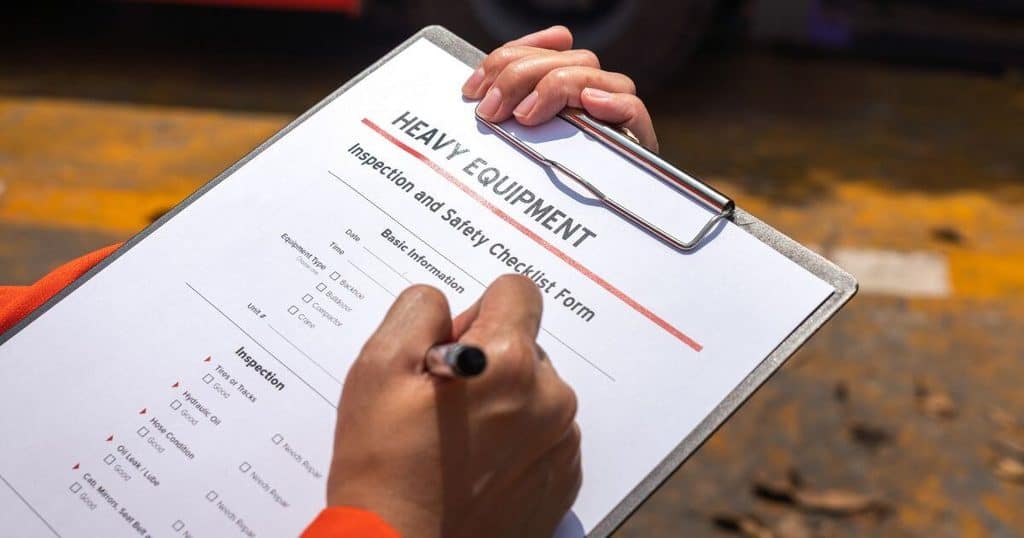
- Daily pre-shift inspections on brakes, forks, hydraulics, and warning systems
- Proper restraints: seatbelts worn every time, every operator, no exceptions
- Load capacity kept within rated limit, never stacked high enough to block sightlines
If any of these are missing, that’s the first fix, full stop.
But if they’re already in place and you’re still seeing incidents or near-misses, the gap is probably somewhere else.
What Does a Forklift Incident Cost You?
The cost of a forklift incident rarely gets discussed until after one happens. But the financial impact of a workplace injury goes well beyond the workers’ compensation claim.
The National Safety Council estimates a medically-consulted workplace injury costs $48,000 on average. This isn’t a forklift-specific figure, but it illustrates the potential cost of a serious workplace injury.
And the direct cost isn’t the whole bill. OSHA points to indirect costs such as training replacement employees, investigating the incident, lost productivity, equipment and property damage, and other operational impacts.
For a warehouse, that can mean backfill, retraining, downtime, damaged equipment, and potentially higher workers’ compensation and insurance costs.
A floor orientation takes time. A forklift incident can cost far more in injuries, downtime, damage and disruption.
Closing the Familiarity Gap
Thinking “Ok, so how do I make sure we’ve got it covered?” Here’s what helps:
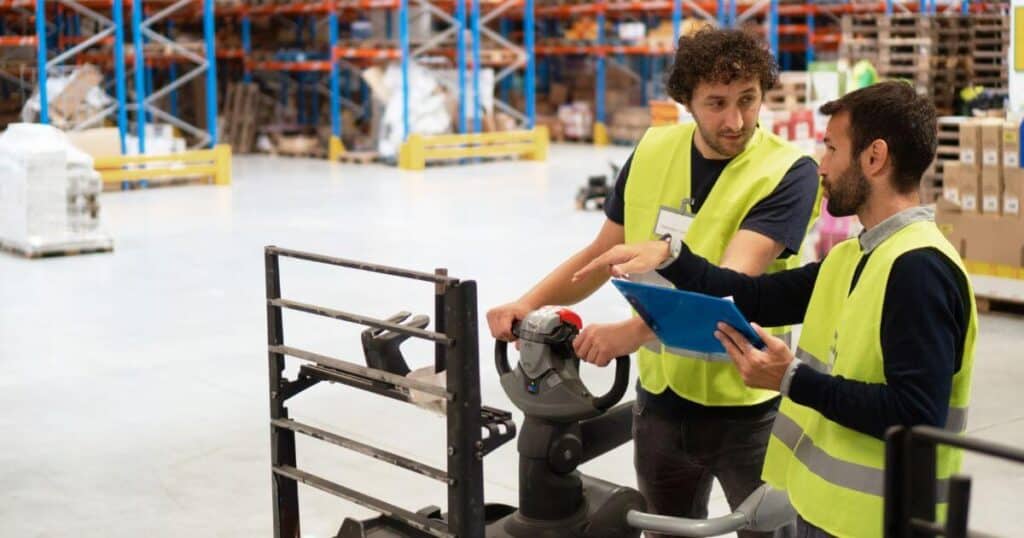
- Floor-specific orientation before someone’s first solo shift. Not a resume check. An actual walkthrough.
- A buddy system that gives new operators someone to turn to with questions and helps identify site-specific hazards during the first several shifts.
- A structured ramp period with supervisor sign-off before full independence, especially during seasonal ramp-ups.
For warehouses relying on temporary or seasonal operators, the familiarity gap keeps reopening. New faces on the floor mean a staffing partner should be doing more than simply filling a shift.
The Alliance Industrial Solutions team has OSHA 10-hour General Industry training, and we bring that safety-first mindset to our warehouse staffing placements.
If turnover is part of what’s driving new faces in the first place, we’ve written about the most common warehouse staffing problems here.
A forklift certification tells you someone has learned to operate the equipment. It doesn’t tell you whether they know where the risks are on your floor.
That knowledge has to be built inside your operation.
Need staffing support that takes your warehouse operation into account? Let’s talk about your setup.
Forklift Safety FAQs
How can forklift accidents be prevented?
Preventing forklift accidents starts with the basics: properly trained operators, daily equipment inspections, enforced speed limits, clear pedestrian routes, and safe load handling.
But those measures aren’t always enough on their own. Operators also need to understand the specific conditions of the warehouse where they’re working, including blind corners, traffic patterns, congested areas, and changing layouts. Floor-specific orientation and a structured ramp-up period can help close that gap.
Does forklift certification transfer between employers?
A forklift operator’s previous training may apply to a new workplace if the training covered the relevant truck and workplace conditions and the operator has been evaluated as competent. But when the truck or workplace conditions differ, additional training may be required. OSHA specifically includes workplace conditions such as pedestrian traffic, narrow aisles, ramps and other unique hazards in its training requirements.
Does a certified forklift operator need site-specific training?
Yes. OSHA requires powered industrial truck training to address the specific workplace conditions where an operator will use the equipment.
An experienced, certified operator may know how to operate a forklift safely, but they still need to understand the risks specific to a new facility, such as pedestrian traffic, narrow aisles, blind corners, loading docks, ramps, or changing warehouse layouts.
Is a forklift considered heavy equipment?
Yes, forklifts are commonly considered heavy equipment. For workplace safety purposes, however, OSHA classifies forklifts as powered industrial trucks and has specific requirements for their operation and training.